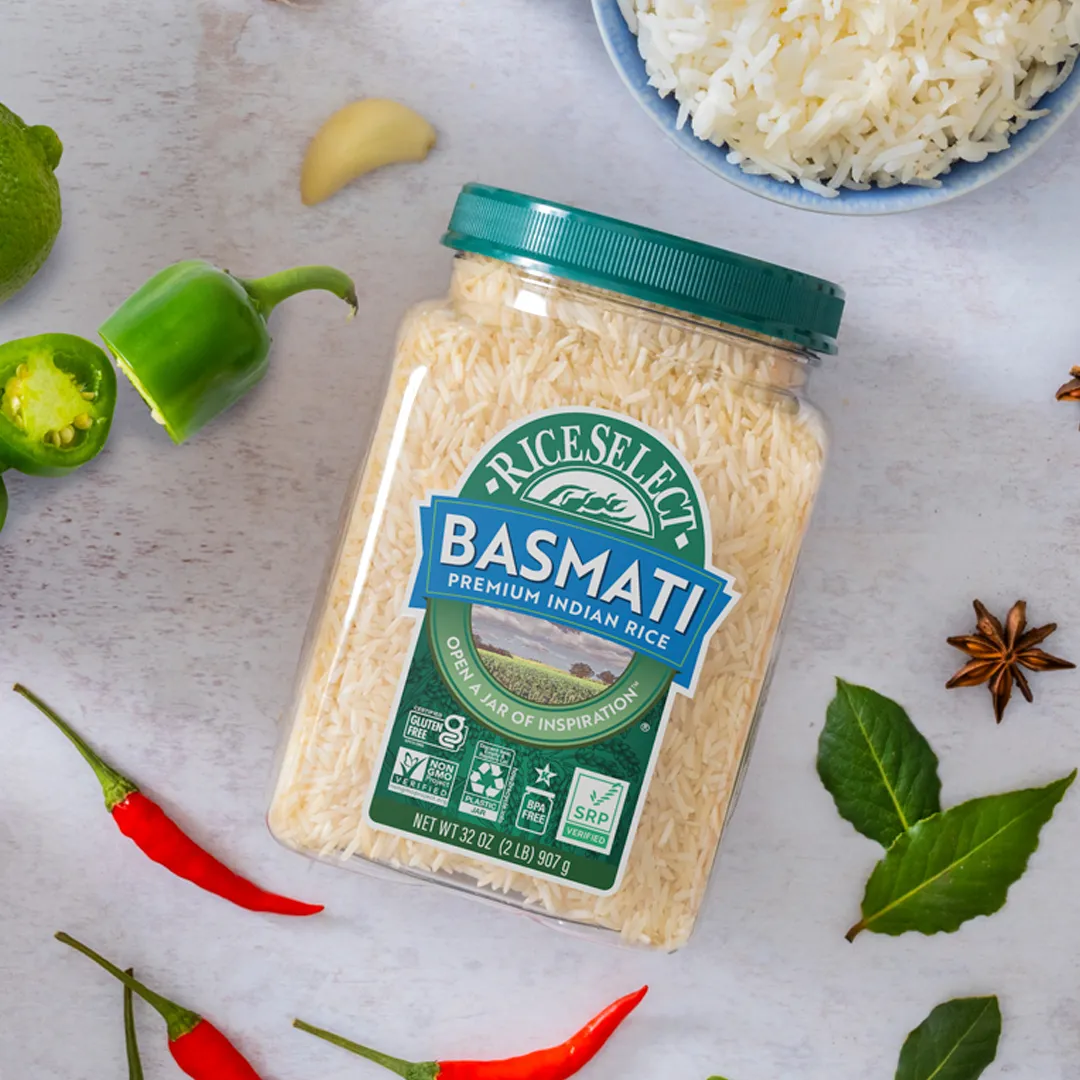
With its long grains, fragrant aroma, and nutty taste, it’s no wonder that basmati rice is one of the world’s most popular grains. An essential ingredient in tahdig, pulao, puddings, and more, it’s prized for its savory flavor and light, separate grains. However, knowing how to cook basmati rice is key to optimizing this pantry staple. It’s naturally delicious, but it truly wows when it’s prepared using the proper techniques.
Chefs and home cooks around the world know that bad techniques can easily ruin a meal. The good news? Preparing RiceSelect® Basmati Rice is a cinch! Once you learn the correct rice-to-water ratio, the perfect amount of time to cook your rice, and which cooking method is best, you can add these gorgeous grains to any menu without a second thought.
Whichever method you prefer to use when cooking rice—on the stove, in a rice cooker, or in an Instant Pot—we’ve got expert tips and advice to help you steer clear of kitchen nightmares. Things didn’t go to plan? We’ll tell you how to save your basmati, whether it’s scorched, mushy, undercooked, or sticky. Finally, to inspire kitchen creativity, we’ve got a variety of delicious recipes that will add flavor, excitement, and flair to your table, every night of the week. Craving delicate, fluffy grains that never stick? Read on and make bad rice a thing of the past!
Water-to-Basmati Rice Ratio
How much water is needed to cook basmati rice depends on a few key details. For instance, if you rinse your rice, you may want to use a little less water than if you don’t rinse your rice. If you soak the rice, the same idea applies. If you don’t rinse or soak your rice, the ideal rice-to-water ratio is 1:1 3/4, or 1 cup of rice to 1 3/4 cups of water. To flavor the rice, you can add a 1/2 teaspoon of salt to the water. Alternatively, you can cook the rice in broth, instead of water, to infuse it with flavor as it cooks.
Should You Rinse Basmati Rice?
Before they cook it, many cooks like to rinse their basmati rice. Why? Rinsing helps to remove excess starch and dust from the grains. This can help basmati rice retain its shape during cooking and keep the grains separate, instead of mushy. To rinse basmati rice, simply place it in a colander and run it under cool, clean water. Swish the grains around to ensure they’re thoroughly rinsed.
Is Soaking Basmati Rice Necessary?
In addition to rinsing basmati rice, some cooks like to soak the grains in a bowl of fresh water before they cook them. Soaking basmati rice for 20-30 minutes hydrates each grain, which in turn helps achieve the best texture. Soaking basmati rice also shortens its cooking time.
How to Cook Basmati Rice on the Stove
Follow these instructions to make fluffy basmati rice on the stove.
How Long to Cook Basmati Rice
Learning how to cook basmati rice on the stove is one of the best steps toward making restaurant-quality dishes, without any fuss. So, how long to cook basmati rice? Generally, it takes 15 minutes to cook on the stove. If it has been rinsed and soaked, you can cut the cooking time down to 12 minutes.
Ingredients
- 1 3/4 cups water
- 1 teaspoon butter or olive oil (optional)
- 1/2 teaspoon salt (optional)
- 1 cup basmati rice
Instructions
- If you want to rinse your basmati rice, place it in a colander and run it under cold water while swishing it around with your hand.
- If desired, you can then soak your rice by placing it in a bowl, covering it with cold water, and letting it sit for 20-30 minutes.
- After 20 minutes, bring water to a boil in a saucepan.
- Stir in butter or olive oil and salt, if using.
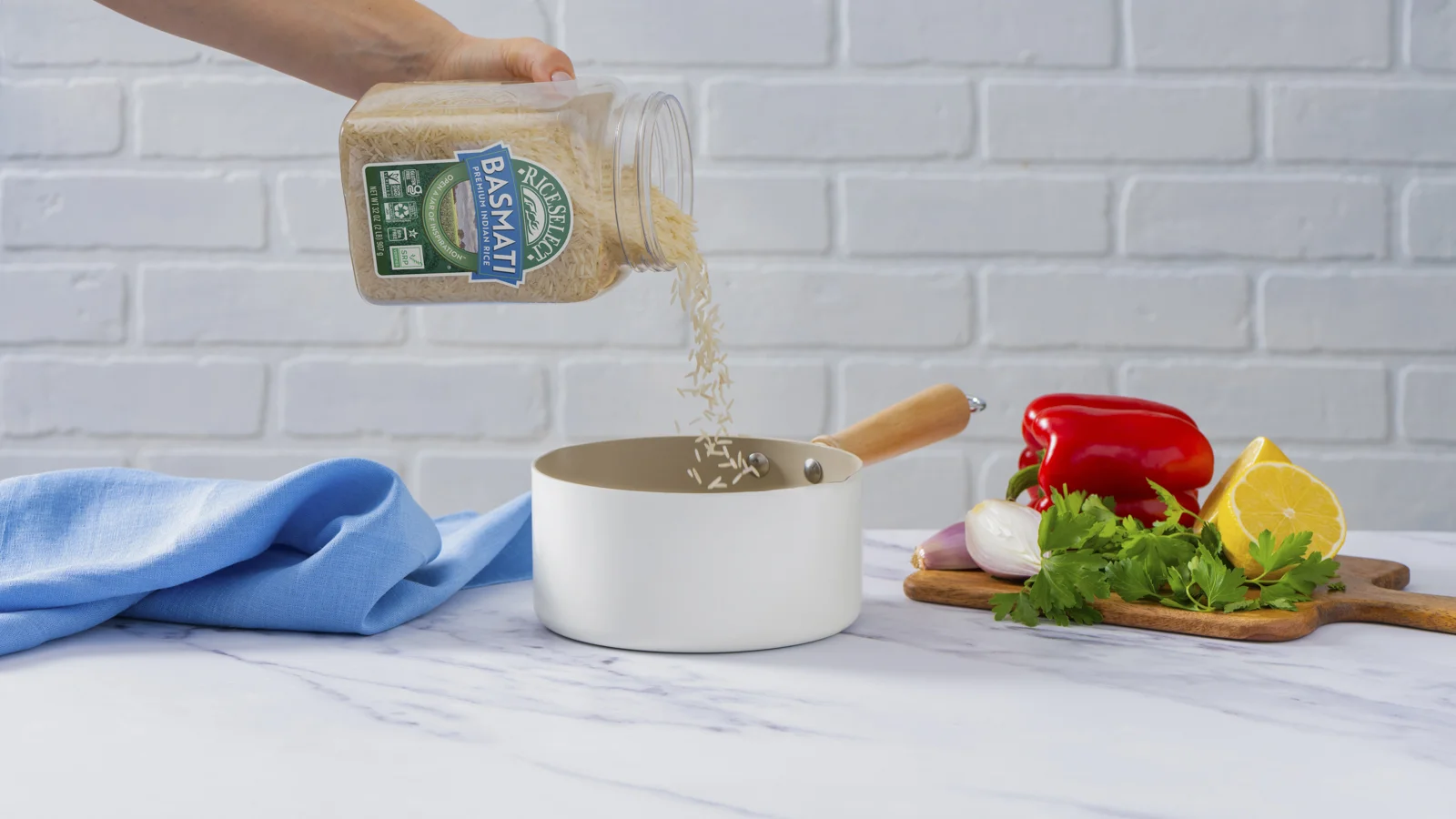
- Stir in the basmati rice, reduce the heat, and cover the saucepan.
- Simmer for 12-15 minutes.
- Remove the saucepan from the heat and allow the rice to rest, undisturbed, for 5-10 minutes.
- Fluff and serve.
More Tips for Fluffy, Restaurant-Style Basmati Rice
Restaurant-style basmati rice doesn’t just happen by chance! Employ these techniques for perfect results, every time.
- When cooking rice, never open the lid to check on the cooking process. Opening the lid during cooking allows crucial heat and moisture to escape, which can result in undercooked grains.
- At the end of cooking, before opening the pot lid, always let the rice sit off the stove for 5-10 minutes. This important step traps moisture and heat in the pot. This allows the rice to absorb any leftover steam and helps it attain the perfect texture.
- After the rice has rested, always fluff it gently with a fork. Why? Using a fork helps to let trapped steam escape. While using a fork helps to separate the grains, a spoon can mush them together.
Signs Your Rice Is Perfectly Cooked
How will you know when you’ve made perfect basmati rice? When cooked, basmati rice should be slender and separate with a nutty, buttery fragrance. It should be separate and light, never mushy or clumped together.
How to Cook Basmati Rice in a Rice Cooker
Follow these instructions to make fluffy basmati rice in a rice cooker.
Water Ratio
The rice-to-water ratio for cooking basmati rice in a rice cooker is similar to the one used for stovetop cooking. If you don’t rinse or soak your rice, the ideal rice-to-water ratio is 1:1 3/4, or 1 cup of rice to 1 3/4 cups of water. If you rinse and soak your rice, you can use a little less water, or 1 cup of rice to 1 1/2 cups of water.
Instructions
- If desired, rinse and soak rice as described above.
- After 20 minutes, add rice and water to the rice cooker insert.
- Stir in 1 teaspoon of butter or olive oil and 1/2 teaspoon of salt, if using.
- Close the rice cooker and select the “White Rice” setting.
- Once the rice is cooked, let it stand for 5-10 minutes.
- Fluff and serve.
Tips for Best Results
For best results, avoid opening the rice cooker while the basmati rice is cooking. It’s also best to allow the rice to rest after cooking. As with stovetop cooking, you want the steam to be absorbed by the rice before you open the pot.
How to Cook Basmati Rice in an Instant Pot
Follow these instructions to make perfect basmati rice in an Instant Pot.
Water Ratio
The rice-to-water ratio is slightly different when cooking basmati rice in an Instant Pot. For perfect results, use a 1:1 ratio, or 1 cup of rice for every 1 cup of water. You can also add 1 teaspoon of butter or olive oil and 1/2 teaspoon of salt, if desired.
Instructions and Pressure-Cooking Time
- Add 1 cup of basmati rice and 1 cup of water to the Instant Pot.
- Stir in butter or olive oil and salt, if using.
- Secure the lid and fasten shut. Select Pressure Cook and set for 5 minutes.
- When complete, allow for the pressure to be released naturally for 5-10 minutes.
- Fluff rice and serve.
Cooking Basmati Rice in the Microwave
Follow these instructions to make basmati rice in the microwave.
Quick Method & Tips
- If desired, rinse and soak 1 cup of basmati rice.
- Then, combine basmati rice and 2 cups of water in a microwave-safe bowl.
- Stir in butter or olive oil and salt, if using.
- Microwave, uncovered, on HIGH for 10 minutes. Cover the bowl and continue to microwave for another 4-5 minutes.
- Remove bowl from the microwave and allow to rest, covered, for 5 minutes.
- Remove the lid, fluff the rice, and serve.
Tips for Best Results
- Since some microwaves are stronger or weaker than others, you may want to test the exact number of minutes you need to cook your basmati rice. If the water is boiling over or the rice is hard after cooking, you may need to adjust the cook time.
- You also want to use a bowl that’s big enough to hold all the water and rice. If your bowl is too shallow, the water can spill over and result in undercooked grains.
- Always remember to cover the rice during the last few minutes of cooking. This helps the rice cook with the steam, instead of allowing it to escape.
- As with other methods, you’ll want to allow the rice to rest, covered, after cooking.
Common Basmati Rice Cooking Mistakes (And How to Fix Them)
Even when you follow specific steps, things can sometimes go wrong. Learn how to fix imperfect grains with these tips.
Mushy Rice
Basmati rice that is mushy and soft was probably cooked with too much water or not rinsed prior to cooking. Adjusting the rice-to-water ratio can help solve the problem. Beginning by rinsing the rice can also help.
If you just cooked basmati rice and it is mushy, try to continue cooking it, covered, for a few extra minutes to help absorb excess moisture. You can also spread the wet rice out on a baking tray and bake it for 10 minutes at 350°F. This will help to dry it out and evaporate excess moisture.
Undercooked Rice
This is one of the easiest rice problems to fix! If your basmati rice is slightly crunchy or hard, simply add a couple of tablespoons of water to the rice, cover the pot, and cook on low for an additional 5 minutes. Then, allow the rice to rest, covered, for 10 minutes before checking it.
Sticky Rice
If your basmati rice is sticky, instead of light and separate, it was probably cooked in too much water. Rinsing the basmati rice before cooking it can also keep it from becoming sticky, as it helps to remove excess starch from the grains.
If your basmati rice is sticky, follow the tips for mushy rice. A few extra minutes of cooking can help to dry it out. Alternatively, you can spread it out on a baking tray and bake it for 10 minutes to dry it out.
Burnt Bottom
If you notice that the bottom of your rice is scorched, don’t panic! Instead, try to remove the top layers of rice, leaving the singed rice at the bottom of the pot. Avoid stirring the pot of rice, as this will combine the burnt and good grains. To stop the rice from continuing to cook, place the bottom of the pot in a bowl of cool water.
Delicious Recipes Using Basmati Rice
One of the world’s favorite grains, basmati rice is delicious in countless recipes and with myriad seasonings. Try it in these family-friendly dishes.
One-Pan Mediterranean Chicken & Basmati Rice
A one-dish dinner that’s mostly hands-off, this zesty dish is as popular with cooks as it is with hungry diners. Herbs, tomatoes, olives, and feta drive home the Mediterranean feel, with chicken and fluffy RiceSelect® Basmati Rice ensuring that every bite is satisfying and delicious.

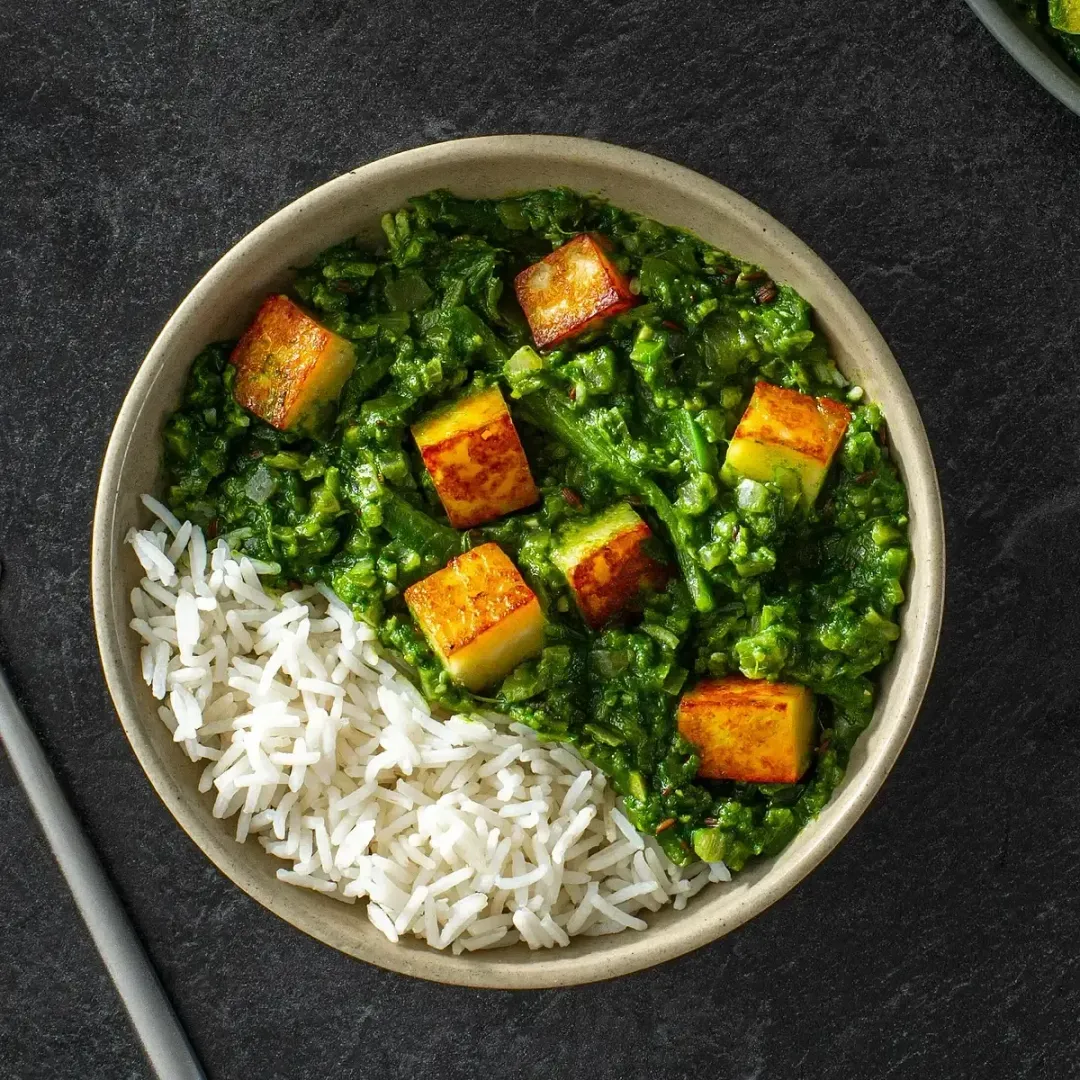
Spinach Paneer and Rice
RiceSelect® Basmati Rice is just the thing to sop up every drop of flavor from this creamy, comforting vegetarian paneer recipe. A dish you can make for company or on a hectic weeknight, this one turns bright spinach into a zippy, seasoned sauce that’s popular with diners of every age!
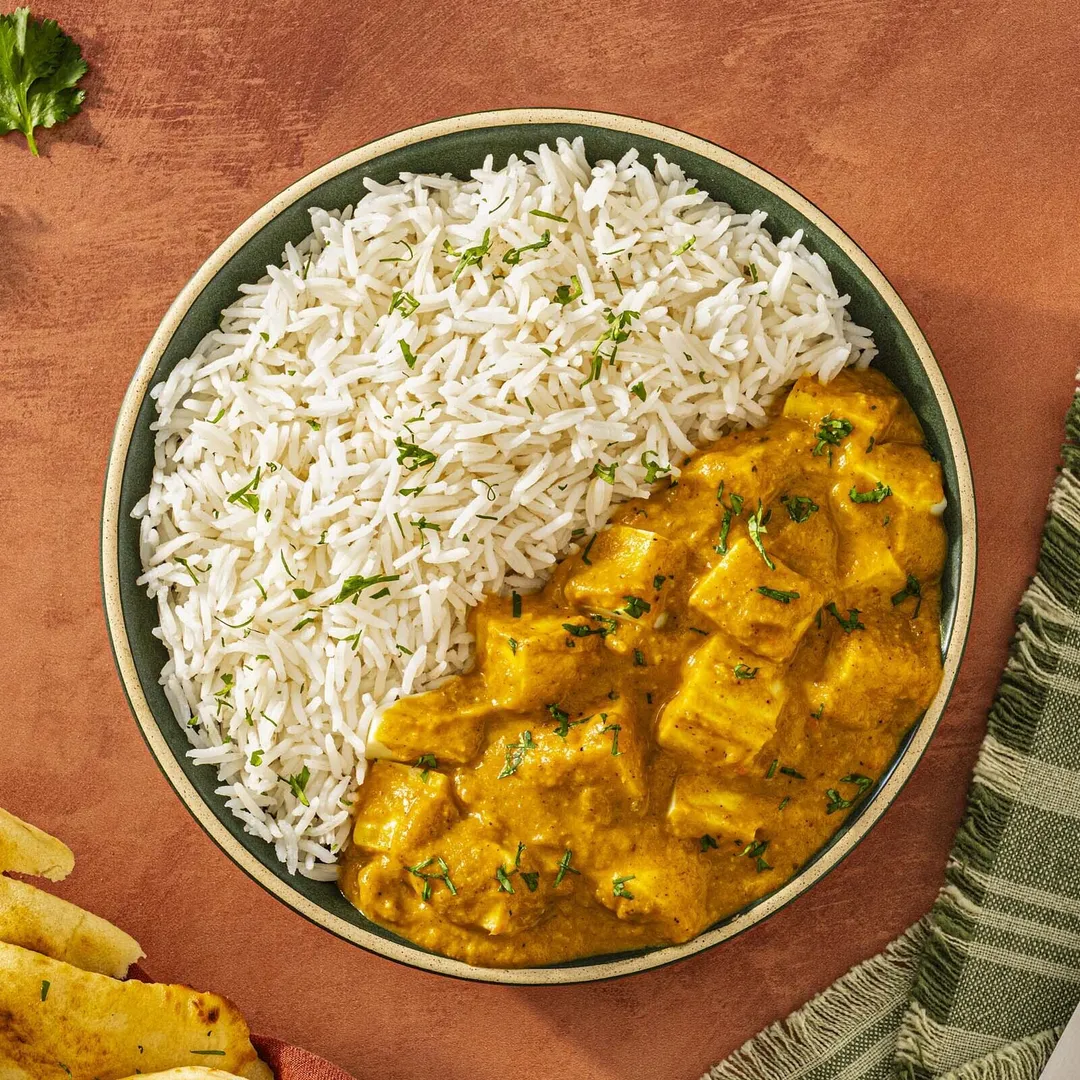
Butter Paneer with Basmati Rice
Rich, tomatoey sauce coats chewy cubes of paneer in this 25-minute marvel. With layers of flavor—from various spices, herbs, ginger, and more—this vegetarian take on butter chicken just might outshine the original!
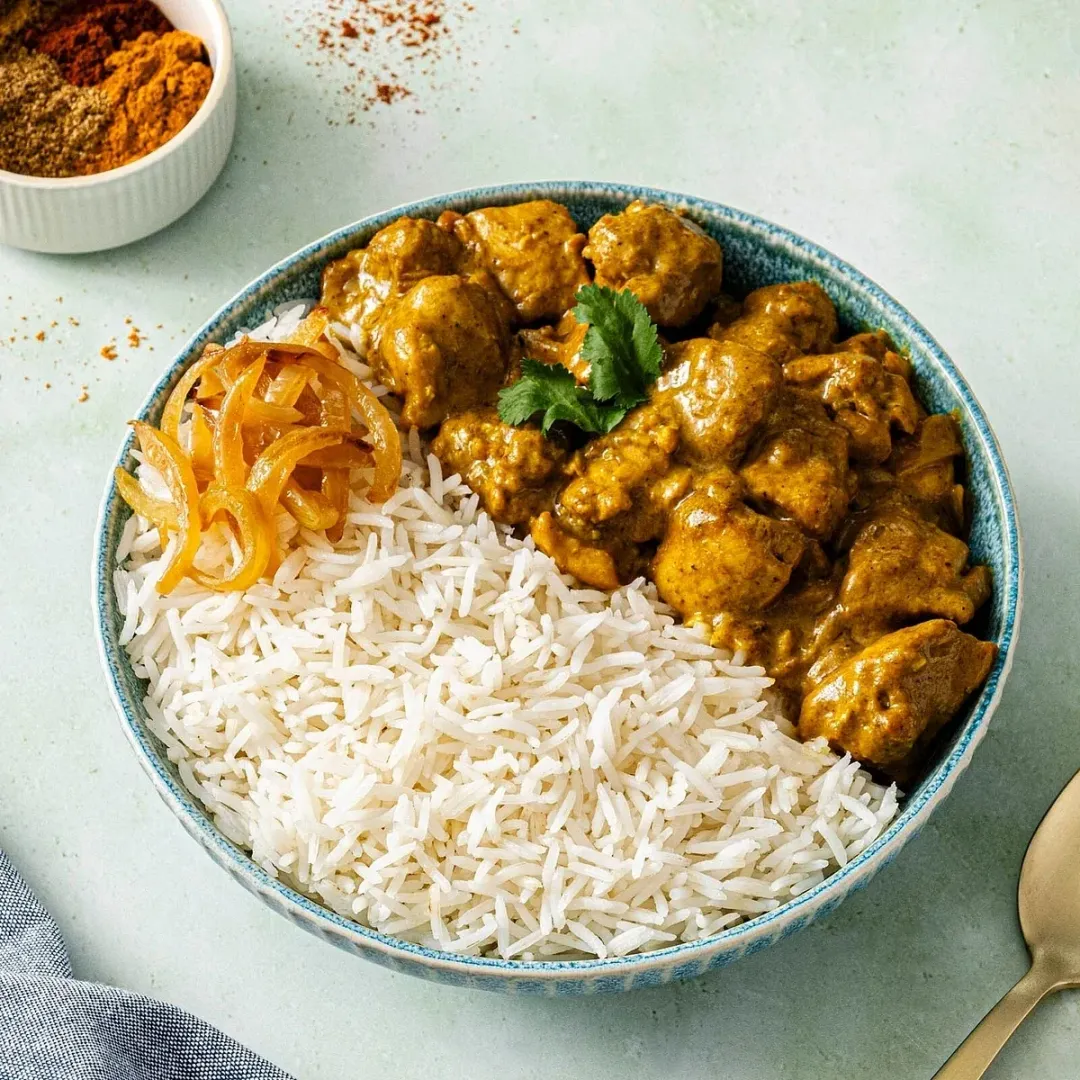
Chicken Korma
Few dishes are as warming and welcome on a weeknight as a quick curry. Whip this up, using chicken thighs and RiceSelect® Basmati Rice, and you won’t have to ask more than once for everyone to sit down at the table. If you crave more veggies, simply add a green salad to the menu.
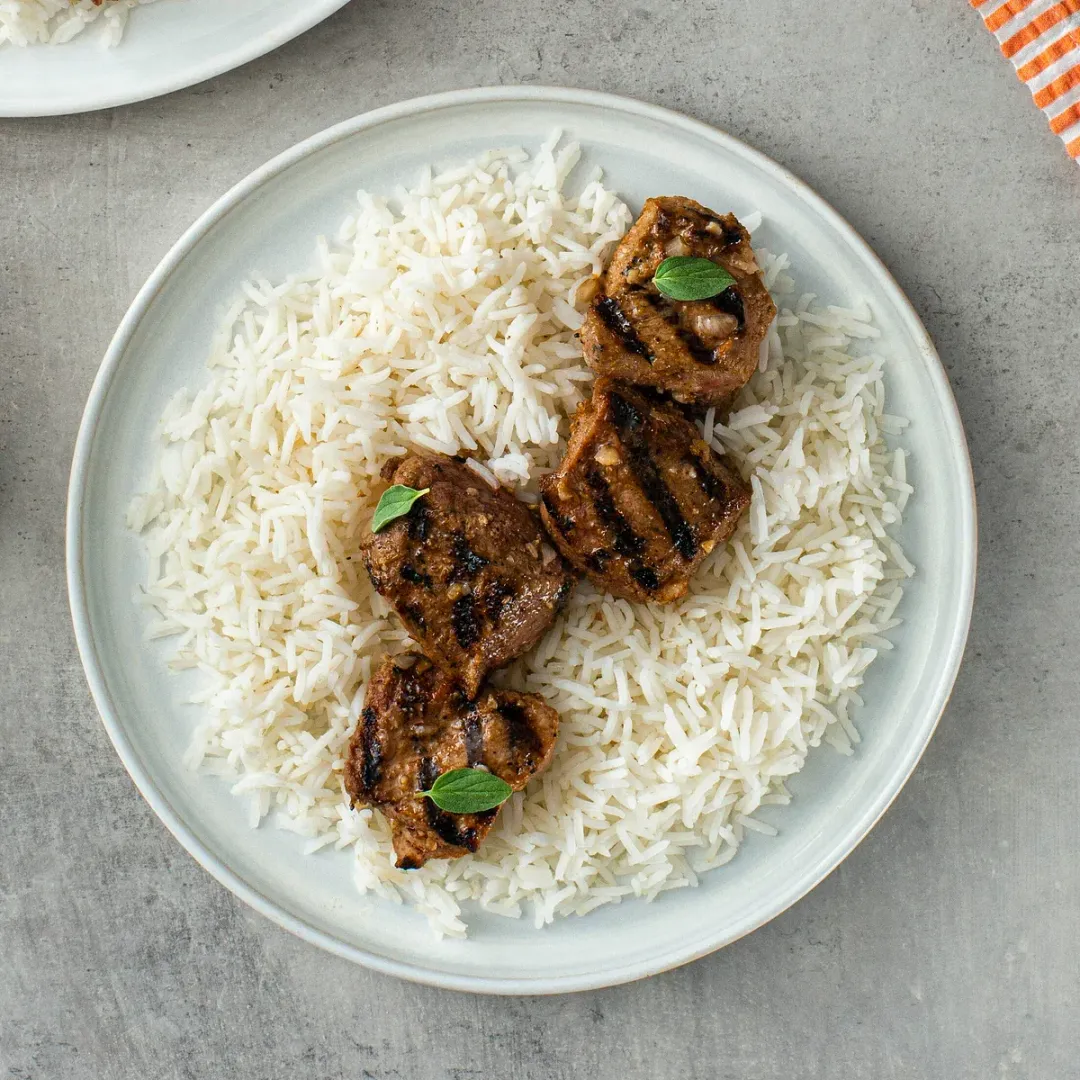
Lamb Shish Kebab and Rice
Lemon, garlic, and a slew of herbs and spices season lamb shoulder to perfection in this simple recipe. Though you’ll have to plan the marination ahead of time, this recipe comes together in minutes once everything is ready to cook. For a complete meal, pair the meat with RiceSelect® Basmati Rice and your favorite grilled vegetables.
How to Store and Reheat Basmati Rice
You’ve made perfect basmati rice! Now, learn how to store and reheat it correctly so that you can enjoy every single grain.
Refrigerating Cooked Rice
Like other types of cooked rice, basmati rice should be stored as soon as possible after it is cooked since, if left at room temperature, it can grow harmful bacteria. Cool cooked rice down quickly by spreading it out on a platter or tray. Then, transfer it to an airtight container and refrigerate. Leftover rice should be eaten within 3 to 4 days.
Freezing Tips
You can also freeze cooked basmati rice. To do so, cool it quickly, then transfer it to a freezer bag. Label the bag with the date and transfer it to the freezer. Use frozen rice within 6 months.
Best Ways to Reheat Without Drying Out
To reheat refrigerated basmati rice, transfer it to a microwave-safe bowl. For every cup of rice, stir in 1 to 2 tablespoons of water or broth. Cover the rice with a damp paper towel and microwave on HIGH for 1 minute. Check the rice and, if still cold, continue to heat in 30-second bursts.
Follow the same method to reheat basmati rice from frozen. Heat until piping hot.